Temperature & humidity mapping

Temperature mapping means placing data loggers at many points across a storage area, recording temperature and humidity continuously for a defined period, then analysing the data to find hot spots, cold spots and excursions, so you can decide where to store product and where to place monitoring sensors. The main guidance is WHO TRS 961 Annex 9 Supplement 8.
TEMP & HUMIDITY MAPPINGLIVETEMP · RH LOG°C%RH

Key facts

Reference guidance

WHO TRS 961 Annex 9 Supplement 8 (Temperature mapping of storage areas), GDP, GMP

Areas

Warehouses, pharmaceutical stores, medical device stores, cold rooms, cleanrooms, environmental chambers, data centres, pharmaceutical delivery vehicles

Recording period

Typically 7 days per study, or as agreed in the protocol

Deliverables

Protocol, logger location plan, raw data, heat map charts, summary of hot and cold spots, and recommendations

Why mapping is needed

  • Temperature and humidity vary across the same area. Product stored at a point outside the limits may lose quality.
  • GMP and GDP require evidence that storage areas maintain the specified conditions.
  • The study results determine where permanent monitoring sensors go.

Photos from real sites

Placing measurement points in warehouses and pharmaceutical storage areas

Placing temperature and humidity measurement points to the storage area plan
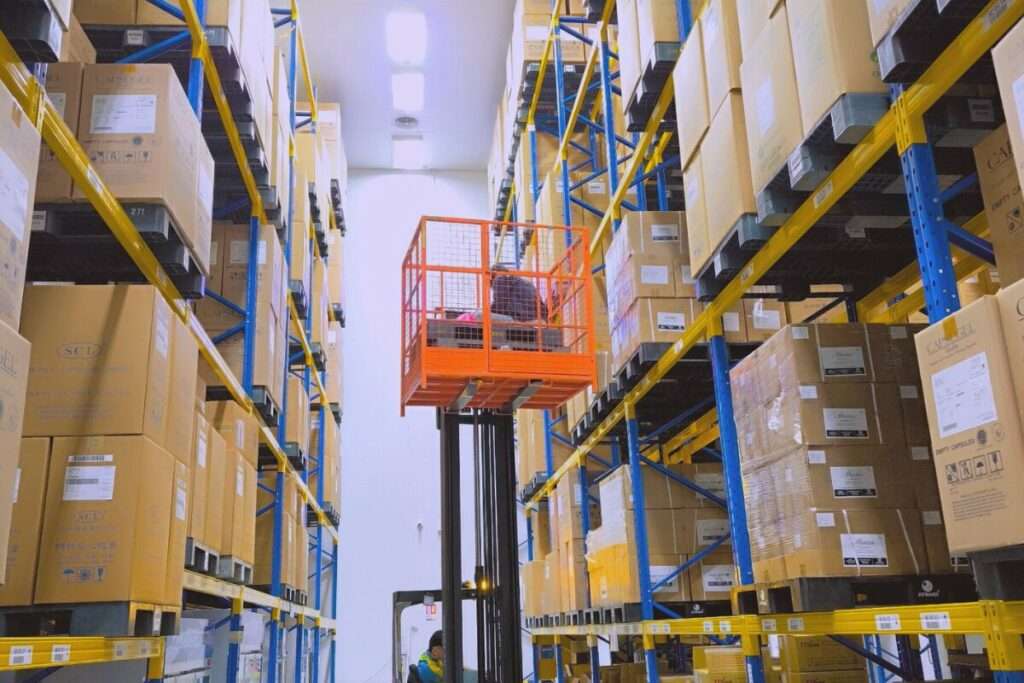
Using a lift to install data loggers on high racking
High multi-level racking, where temperature often varies with height and position

How we work

1
We write the protocol, defining acceptance criteria and the number and positions of loggers
2
We place calibrated data loggers to the plan, horizontally and vertically
3
We record continuously for the defined period
4
We analyse the data to find hot spots, cold spots and excursions
5
We deliver the report with heat maps and recommendations

Frequently asked questions

When a new area is put into use, when the storage layout or air-conditioning system changes, and at the intervals set in your quality system.

WHO guidance recommends studying the periods of extreme outside temperature. In Thailand these are the hottest and coolest periods of the year.

It depends on the area, the racking height and the risk points, and is stated in the protocol before work starts.

To define no-storage zones, monitoring sensor positions and improvements to the air-conditioning system.

Request a quote

Tell us the type of area, its size and the temperature range you need to control
Scroll to Top
CallRequest a quote